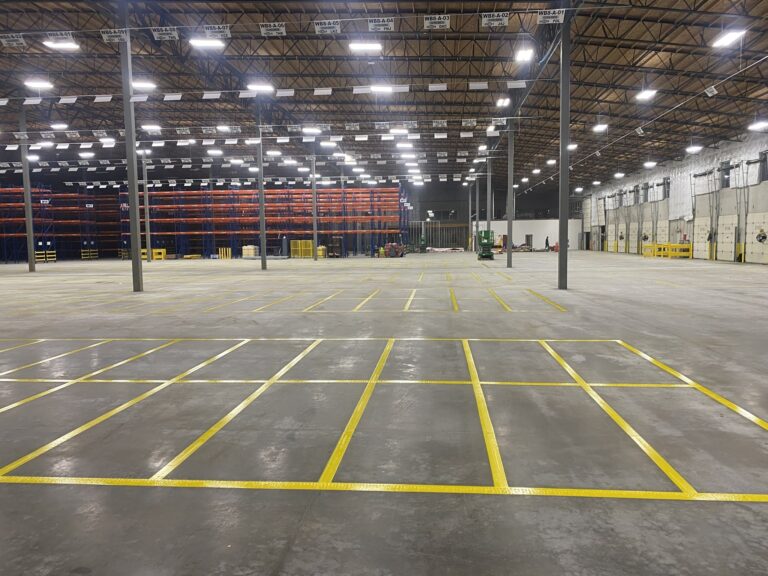
Compare different floor marking tape brands for durability
Choosing the right floor marking tape is critical for safety, efficiency, and long-term cost control in warehouses, manufacturing, and industrial distribution centers. Durability affects how often markings must be replaced, how well they withstand forklift traffic lanes and aisle delineation, and whether they help you maintain OSHA compliance. This guide compares leading floor marking tape brands and materials, explains how durability is measured, and gives practical recommendations for different facility needs.
How durability is measured for floor marking tape
Durability for floor marking tape depends on several factors:
– Material composition (PVC/vinyl, polyester, acrylic, polyolefin, or photoluminescent)
– Adhesive type and tack (permanent vs. removable)
– Thickness and wear layer
– Surface preparation and substrate (concrete, painted floors, epoxy coatings)
– Traffic type—foot traffic vs. heavy forklift and pallet jack traffic
– Environmental exposure (chemicals, moisture, temperature)
Common lab and field tests include adhesive peel strength, abrasion resistance, and real-world lifecycle under forklift traffic. For facilities that use epoxy line painting or full warehouse floor striping, tapes must be compatible with coatings and cleaning protocols to prevent premature lift. Adhering to OSHA guidance on floor marking systems helps ensure safety and compliance [1].
Brand comparison: durability, best uses, and tradeoffs
Below is a comparison of well-known floor marking tape brands and categories, focusing on real-world durability for industrial settings.
| Brand / Category | Material Type | Durability (Relative) | Best Use Case | Notes |
|---|---|---|---|---|
| 3M (industrial floor tapes) | PVC / acrylic adhesive | High | Heavy forklift traffic lanes, aisle delineation | Strong adhesive, proven track record in industrial distribution centers; often used where longevity is critical |
| Brady (ToughStripe, safety tapes) | Polyester / PVC | High | Chemical/abrasion resistance, high-traffic aisles | Engineered for industrial wear; multiple thicknesses for different traffic loads |
| tesa / TesaFloor | PVC / polyolefin | Medium–High | Retail & light industrial marking | Good conformability and adhesion on slightly uneven surfaces |
| Mactac / Avery Dennison | Vinyl / acrylic | Medium | General-purpose marking, temporary layouts | Cost-effective, easy to install and remove, less suitable for heavy forklifts |
| Reflective / Photoluminescent tapes | Photoluminescent film | Variable | Emergency egress, low-light aisle delineation | Adds visibility after lights out; wear layer varies—verify abrasion rating |
| Generic budget tapes | PVC / low-cost adhesive | Low | Short-term marking, non-critical zones | Lowest upfront cost but frequent replacement increases lifecycle cost |
Why some tapes last longer than others
Thickness and a robust wear layer improve resistance to abrasion from pallet jacks and forklifts. High-performance adhesives (often acrylic-based) maintain bond despite temperature swings and cleaning chemicals. Polyester films typically resist tearing and chemical exposure better than thin vinyl. Brands such as 3M and Brady invest in formulation and testing specific to industrial distribution centers, resulting in longer intervals between replacements.
Surface prep is equally important: concrete dust, oil, or moisture can undermine even premium adhesive tapes. For permanent or high-traffic applications, consider professional warehouse line striping services or epoxy line painting, which can outperform tape in longevity and meet stricter OSHA-compliant floor marking systems.
When tape is the right choice versus painted or epoxy solutions
- Choose tape when you need fast installation or temporary layout flexibility (receiving zone adjustments, seasonal lanes).
- Use epoxy coatings or epoxy line painting where maximum durability, chemical resistance, and a seamless finish are required—typical for heavy manufacturing and continuous forklift traffic.
- Hybrid approaches combine epoxy for primary aisle delineation and durable tape for temporary or color-coded signage.
Frequently Asked Questions
Which tape brands hold up best under forklift traffic?
For heavy forklift traffic lanes, choose industrial-grade tapes from established manufacturers like 3M and Brady. These products use thicker wear layers and stronger adhesives designed for abrasion resistance and heavy loads. However, for the most demanding lanes, epoxy line painting or professional warehouse floor striping often outlast tape.
How should I maintain tape to maximize durability?
Keep floors clean and dry before installation; remove oils and dust. Use compatible cleaning chemicals (avoid harsh solvents that weaken adhesive). Inspect high-traffic lanes weekly and replace damaged sections promptly. For long-term durability, plan regular maintenance and consider switching to epoxy coatings in critical areas.
Areas We Serve
Warehouse Line Striping provides professional warehouse line striping services across national industrial hubs, including services tailored for:
– Large industrial distribution centers with heavy forklift traffic lanes
– Manufacturing plants requiring aisle delineation and OSHA-compliant floor marking systems
– Cold storage and high-moisture environments where tape adhesion must be specified for temperature
– Retail warehouses and third-party logistics centers needing quick reconfiguration
For quotes on installation, repair, or to evaluate whether durable tape or epoxy solutions suit your facility, see our warehouse floor striping and epoxy line painting services pages or contact us directly to schedule an on-site assessment: warehouse line striping services, warehouse floor striping, epoxy line painting, contact us.
Conclusion
Durability varies widely across floor marking tape brands and materials. Premium industrial tapes from manufacturers like 3M and Brady offer the best wear resistance for forklift traffic lanes and aisle delineation in industrial distribution centers, but even the best tape has limits. For maximum longevity and reduced maintenance in high-traffic, chemically aggressive, or mission-critical zones, epoxy coatings and professional warehouse line striping are often the better long-term investment. Evaluate tape by material, adhesive, thickness, and compatibility with your cleaning and coating regime to choose the right solution for safety, compliance, and operational efficiency.
References
[1] https://www.osha.gov/occupational-safety-and-health-administration