Affordable warehouse line striping contractors in the United States
Finding an affordable warehouse line striping contractor in the United States starts with understanding your facility’s needs, safety requirements, and the trade-offs between cost and durability. Whether you operate an industrial distribution center, a regional fulfillment hub, or a small manufacturing plant, the right contractor will deliver OSHA-compliant aisle delineation, durable floor marking systems, and minimal downtime for forklift traffic lanes — all within your budget. This guide explains how to find cost-effective contractors, compares common floor marking options, and helps you choose the best partner for reliable, long-lasting results.
How to Find Affordable Warehouse Line Striping Contractors
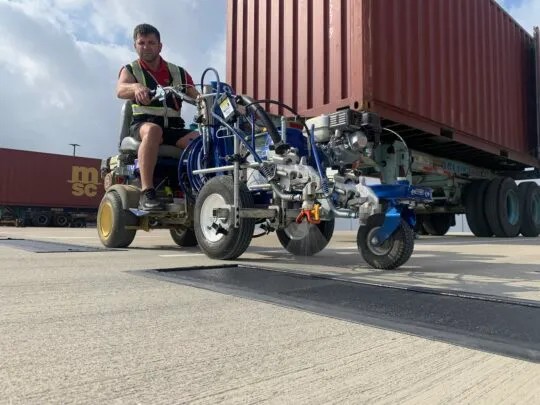
Start by defining scope: square footage, types of lines (safety lines, forklift traffic lanes, pedestrian walkways, aisle delineation), and surface condition. Contractors who specialize in warehouse floor striping understand layout optimization for industrial distribution centers and can recommend cost-saving strategies like phased rollouts or targeted touch-ups.
Key steps:
– Request site assessments from 3–5 contractors to compare bids and timelines.
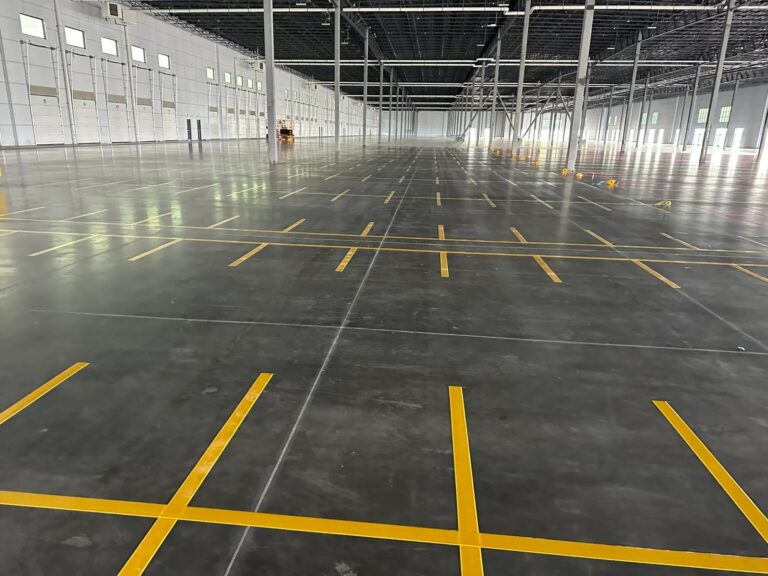
– Ask for references and before/after photos of similar projects (especially in warehouses with heavy forklift traffic).
– Confirm OSHA compliance knowledge and adherence to local codes; floor marking systems often must meet hazard communication and traffic management standards [1].
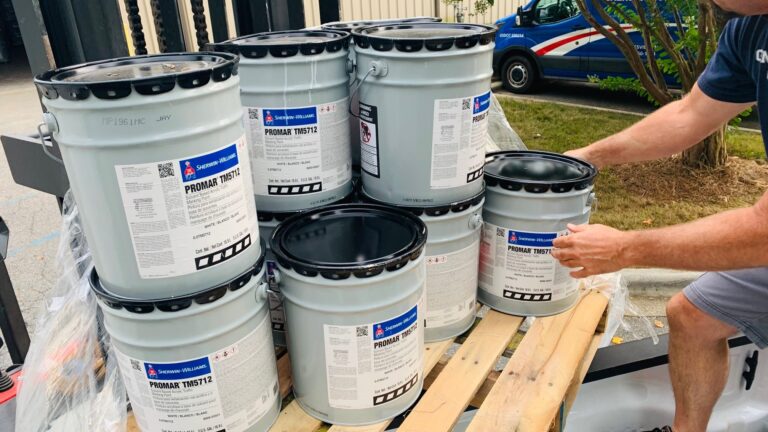
– Compare materials: basic traffic paint vs. epoxy coatings vs. preformed tape. Each has different upfront costs, longevity, and maintenance requirements.
– Evaluate scheduling flexibility to minimize production downtime — many contractors offer night or weekend crews.
For detailed service descriptions and examples, view our warehouse line striping services and epoxy line painting pages. If you’re ready for a quote, please contact us.
Cost Factors, Materials, and Service Comparisons
Affordable doesn’t mean low quality. Understanding material costs and lifecycle value helps you select the right solution for long-term savings. Below is a quick comparison of common marking methods used across U.S. warehouses.
| Method | Typical Cost Range (per linear foot) | Durability | Best For |
|---|---|---|---|
| Acrylic Traffic Paint | $0.50 – $1.50 | 6–12 months in heavy traffic | Short-term, budget projects, temporary markings |
| Epoxy Coatings (epoxy line painting) | $2.00 – $4.50 | 2–5 years | Forklift traffic lanes, aisle delineation, long-term durability |
| Thermoplastic | $3.00 – $6.00 | 3–6 years | High-wear areas, outdoor loading zones |
| Preformed Tape | $1.50 – $3.00 | 1–3 years | Quick installs, minimal downtime, temporary or semi-permanent |
Epoxy coatings typically cost more upfront but resist scuffing and chemical exposure better than standard paints — reducing re-striping frequency and overall lifecycle cost. For heavy forklift traffic lanes and high-turnover industrial distribution centers, epoxy often provides the best ROI.
Choosing the Right Contractor
When vetting contractors, consider these affordability and quality indicators:
– Transparent, itemized quotes (labor, materials, mobilization, surface prep).
– Experience with floor marking systems and safe traffic flow design.
– Warranty or performance guarantees — ask if re-striping is included within a period.
– Ability to handle surface prep (crack repair, oil removal) — inadequate prep leads to premature failure.
– References from similar sized facilities and visible portfolio images.
Warehouse Line Striping offers turnkey warehouse floor striping solutions, including project scoping, material choices, and phased scheduling to reduce outage. Learn more about our specific services on our warehouse line striping services and epoxy line painting pages.
Frequently Asked Questions
What is the most cost-effective method for high-traffic warehouses?
Epoxy line painting tends to be the most cost-effective over time for high-traffic areas. While higher upfront costs exist compared to basic traffic paints, epoxy coatings dramatically increase longevity and lower maintenance frequency, especially in forklift traffic lanes and busy industrial distribution centers.
How do I ensure markings meet OSHA requirements?
Start by selecting a contractor familiar with OSHA guidance on workplace traffic control and hazard communication; proper aisle delineation and pedestrian walkways are essential for compliance [1]. Contractors should use standardized colors and durable materials that remain visible under warehouse lighting and wear conditions.
Areas We Serve
Warehouse Line Striping operates nationwide with regional teams specializing in local codes and rapid response. Major regions include:
– Northeast (NY, NJ, MA, PA)
– Mid-Atlantic (MD, VA, DE)
– Southeast (FL, GA, NC, SC)
– Midwest (IL, OH, MI, IN)
– South Central (TX, OK)
– Southwest (AZ, NM)
– West Coast (CA, OR, WA)
We tailor projects to local industrial distribution centers and warehouse needs. For specific city or state inquiries, please contact us for a fast, localized quote.
Conclusion
Affordable warehouse line striping is achievable without sacrificing compliance or durability. By understanding material options — including epoxy coatings for long-lasting aisle delineation — comparing bids, and choosing contractors with warehouse-focused experience, you can optimize safety and reduce long-term costs. Warehouse Line Striping delivers professional, OSHA-aware floor marking systems across the United States; for a site assessment and competitive estimate, visit our warehouse floor striping page or contact us directly.
References
[1] https://www.osha.gov/