Where can I find professional services for warehouse floor marking?
Finding reliable, professional warehouse floor marking services starts with knowing what to look for and where those services operate. Whether you manage an industrial distribution center, a third‑party logistics facility, or a manufacturing plant, clear aisle delineation and durable floor marking reduce accidents, improve workflow, and help maintain OSHA compliance. Below is a practical guide to locating qualified providers, comparing common products, understanding the service process, and deciding on the right solution for your facility.
Where to Find Professional Warehouse Floor Marking Services
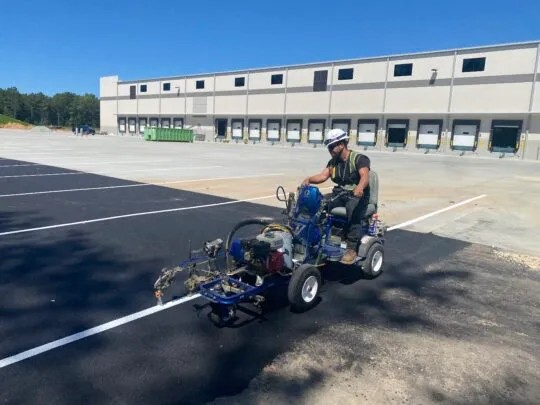
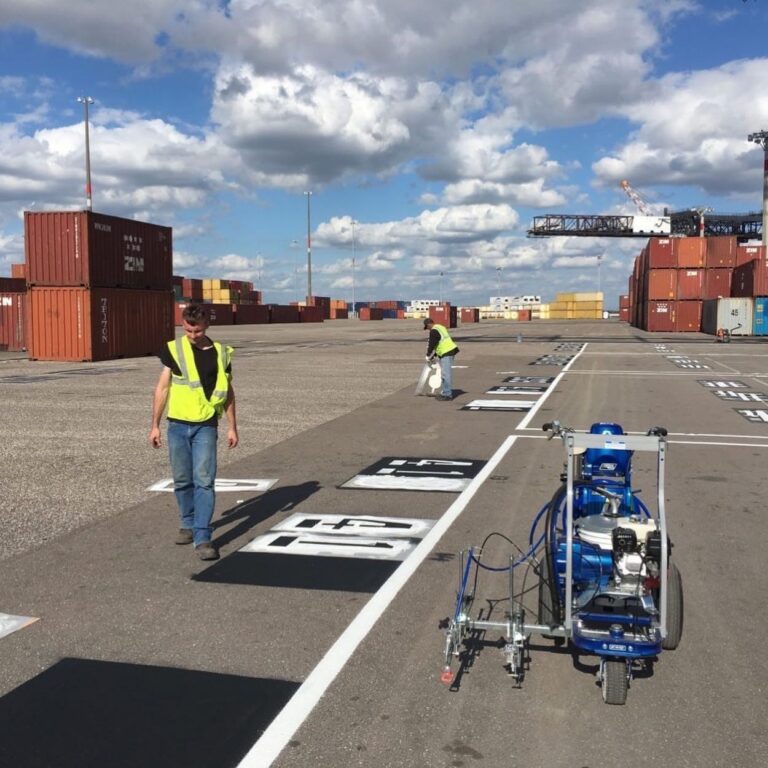
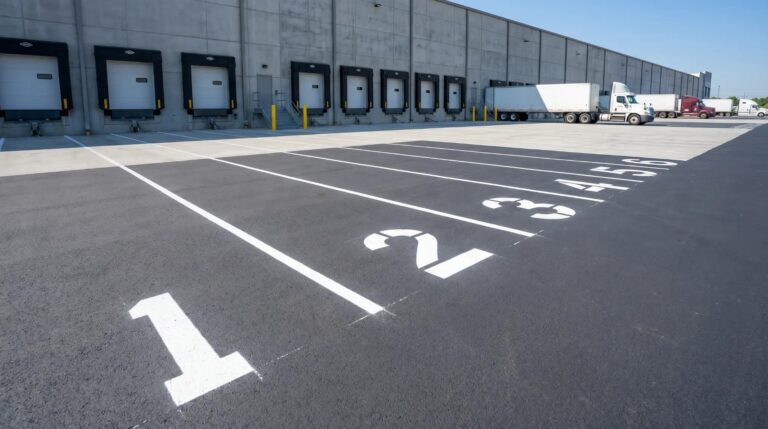
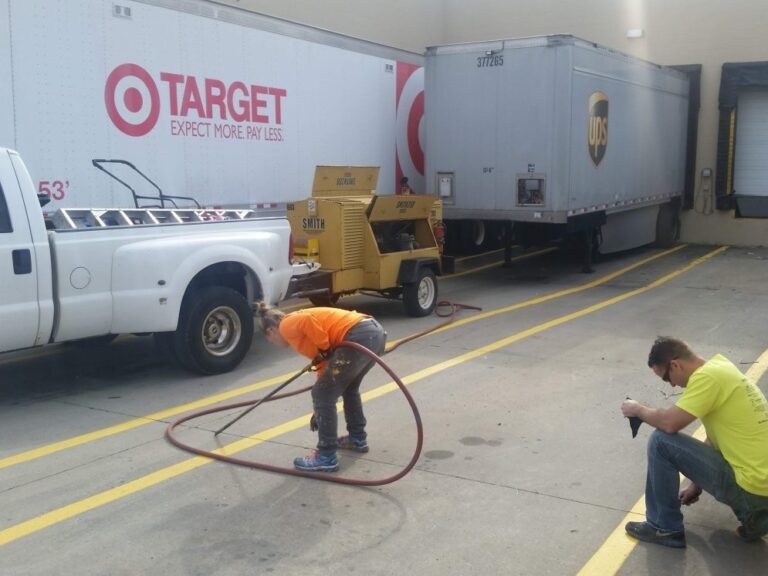
National and regional contractors that specialize in warehouse floor marking offer tailored solutions for industrial environments. Look for companies that advertise comprehensive warehouse line striping services, capacity to work around forklift traffic lanes, and experience with epoxy coatings and floor marking systems. Reputable providers will offer site surveys, layout planning, installation, and maintenance plans.
Key places to search:
– Industry-specific vendors like Warehouse Line Striping (national provider of warehouse floor striping) — see our warehouse line striping services for examples of large-scale projects.
– Local contractors with industrial experience listed on business directories and trade associations.
– Facility management companies and industrial safety consultants.
– Referrals from other industrial distribution centers or logistics managers.
Make sure any prospect can demonstrate knowledge of OSHA requirements for pedestrian aisles, equipment clearances, and hazard communication on floors. OSHA guidance is a useful baseline when evaluating proposals [1].
How to Choose the Right Floor Marking Contractor
Selecting the right contractor comes down to proven experience, appropriate materials, and a process that minimizes operational disruption. Use these criteria when evaluating bids:
- Experience in industrial distribution centers and high‑traffic warehouse environments.
- Familiarity with floor marking systems (paint, epoxy coatings, thermoplastic, preformed tape) and recommendations based on your floor substrate and traffic patterns.
- Ability to install clear aisle delineation and forklift traffic lanes while coordinating shutdown windows to avoid production loss.
- Quality assurance: warranties, sample installations, and references from similar projects.
- Safety and compliance: knowledge of OSHA compliance and internal safety standards.
Typical services and project steps
Most professional teams follow a systematic approach:
- Site survey and measurement
- Layout drawing and approval (often digital)
- Surface prep (cleaning, shot-blasting or grinding if needed)
- Application (epoxy line painting, thermoplastic, tape)
- Curing/drying and final inspection
- Maintenance recommendations and scheduled touch-ups
For specialized needs like high-durability forklift traffic lanes or chemical exposure zones, ask for epoxy line painting options and protective topcoats. View our epoxy line painting service for technical details.
Below is a quick comparison table to help decide which material fits your needs.
| Product / System | Best for | Durability | Typical Cost | Notes |
|---|---|---|---|---|
| Standard warehouse paint | Low-cost, temporary layouts | Low–Medium | $ | Quick installation, lower durability under heavy forklift traffic |
| Epoxy coatings | High-traffic lanes, chemical resistance | High | $$–$$$ | Long-lasting, excellent for forklift traffic lanes and industrial distribution centers; requires curing time |
| Thermoplastic | Long-term durable markings | High | $$$ | Hot-applied, very durable; good for high-wear aisle delineation |
| Preformed tape | Quick repairs and temporary marking | Low–Medium | $ | Fast to install, less durable; useful for rapid deployment or interim markings |
Frequently Asked Questions
Where can I get a free site assessment for warehouse floor marking?
Many professional contractors offer free or low-cost site assessments. Look for providers who will visit your facility, measure, and produce a layout proposal. Warehouse Line Striping provides on-site surveys and tailored proposals—contact us through our [contact us] page to schedule an assessment.
How long does epoxy line painting take and how disruptive is it?
Epoxy line painting requires surface preparation and curing time. For small to medium jobs, lines can often be applied in a single shift, but full cure may require 24–72 hours depending on the product and environmental conditions. Contractors should coordinate work windows to reduce disruption to daily operations; ask for phased scheduling if you cannot afford downtime.
Areas We Serve
Warehouse Line Striping is a national provider with experience in a wide range of geographies and climates. Typical service areas include:
– Major metropolitan regions (Los Angeles, Chicago, Dallas/Fort Worth, Atlanta, New York Metro)
– Midwest and Great Lakes industrial hubs
– East and West Coast port and distribution corridors
– Regional support for smaller cities and rural distribution centers
If you’re searching for “warehouse floor striping” near you, check for national companies that can mobilize crews and local contractors with proven industrial experience. For direct service inquiries, see our [warehouse floor striping] and [warehouse line striping services] pages.
Conclusion
Finding professional warehouse floor marking services means selecting a contractor with industrial experience, clear knowledge of OSHA compliance, and the right mix of materials for your traffic and safety needs. Whether you need durable epoxy coatings for forklift traffic lanes, fast interim solutions with preformed tape, or full-service layout and installation across an industrial distribution center, prioritize providers who offer site surveys, durable materials, and a work plan that minimizes disruption. For a tailored quote or site assessment, visit our [epoxy line painting] page or [contact us] to get started.
References
[1] https://www.osha.gov